


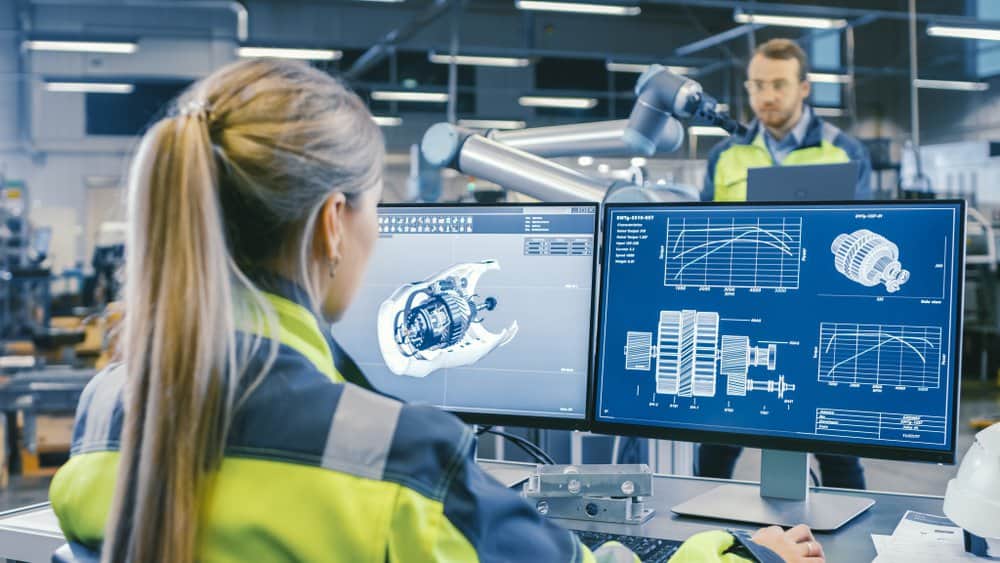
The essence of engineering is problem solving. With this at its core, mechanical engineering also requires applied creativity—a hands on understanding of the work involved—along with strong interpersonal skills like networking, leadership, and conflict management. Creating a product is only part of the equation; knowing how to work with people, ideas, data, and economics fully makes a mechanical engineer.
Here are ten essential skills for mechanical engineers to possess:
Technical Knowledge: A strong foundation in physics, mathematics, and mechanics is crucial. Understanding principles like thermodynamics, fluid mechanics, materials science, and structural analysis forms the backbone of mechanical engineering.
Problem-Solving: Mechanical engineers often encounter complex problems that require analytical thinking and creative solutions. The ability to break down problems and develop innovative solutions is highly valuable.
Design and CAD: Proficiency in computer-aided design (CAD) software is essential for creating, analyzing, and optimizing designs. Knowledge of software like SolidWorks, AutoCAD, or similar programs is valuable.
Critical Thinking: Assessing risks, evaluating different design options, and making decisions based on data and analysis are critical skills for mechanical engineers.
Communication: Being able to communicate technical information clearly, whether in written reports, presentations, or discussions with team members or clients, is vital for success in this field.
Project Management: Managing projects, including budgeting, scheduling, and coordinating with teams, suppliers, and clients, is often part of a mechanical engineer's role.
Hands-on Application: Practical skills in building prototypes, conducting experiments, and testing designs are valuable. Having a good understanding of manufacturing processes and techniques is beneficial.
Continuous Learning/Improvement: Given the rapid advancements in technology and techniques, a willingness to learn and adapt to new tools, methodologies, and industry trends is crucial for staying competitive.
Teamwork: Mechanical engineers often work in multidisciplinary teams. The ability to collaborate effectively with professionals from various backgrounds is essential.
Ethical Standards: Upholding ethical standards and understanding the broader impact of engineering solutions on society and the environment is increasingly important for modern mechanical engineers.
Developing a balance of technical expertise, problem-solving capabilities, and soft skills is key to becoming a successful mechanical engineer.
The future of mechanical engineering
Breakthroughs in materials and analytical tools have opened new frontiers for mechanical engineers. Nanotechnology, biotechnology, composites, computational fluid dynamics (CFD), and acoustical engineering have all expanded the mechanical engineering toolbox.
Nanotechnology allows for the engineering of materials on the smallest of scales. With the ability to design and manufacture down to the elemental level, the possibilities for objects grows immensely. Composites are another area where the manipulation of materials allows for new manufacturing opportunities. By combining materials with different characteristics in innovative ways, the best of each material can be employed and new solutions found. CFD gives mechanical engineers the opportunity to study complex fluid flows analyzed with algorithms. This allows for the modeling of situations that would previously have been impossible. Acoustical engineering examines vibration and sound, providing the opportunity to reduce noise in devices and increase efficiency in everything from biotechnology to architecture.
How do I become a mechanical engineer?
There are several paths you can take to a career in mechanical engineering. Tomorrow needs MEs who are prepared to make a difference in the world to solve challenges in healthcare, energy, transportation, space exploration, climate change, and more.
CANTER CADD being ISO 9001:2015 certified, the best CAD training institute can make a candidate’s profile strong and eligible to grab the trending jobs in the market. Moreover, the courses are offered by highly skilled and trained professionals to offer valuable knowledge to the candidates.