


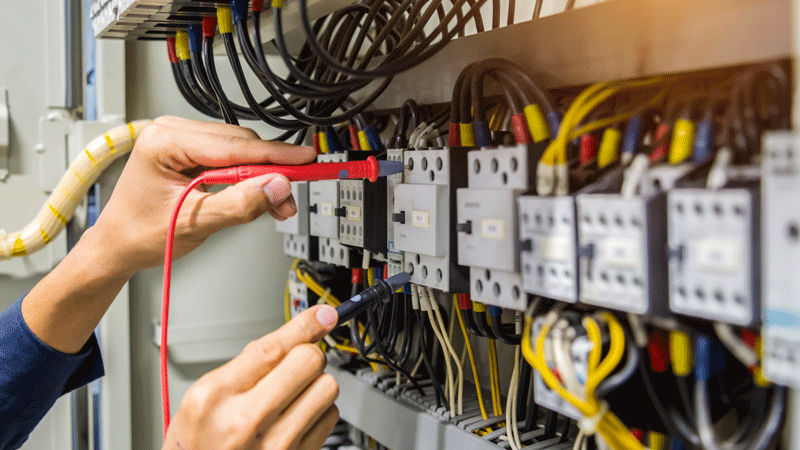
Electrical engineering, the force behind the modern world's power and technology, is experiencing a transformative era driven by unprecedented innovation. From traditional power systems to cutting-edge AI integration, new features are shaping a more efficient, sustainable, and intelligent future. This blog explores the key trends and new frontiers that are redefining the role of the electrical engineer.
Key Trends and Features
Electrical engineers are at the heart of technological advancements that are addressing some of the world's most pressing challenges, such as climate change and energy efficiency.
The Rise of Renewable Energy and Smart Grids
The global push for sustainability has positioned renewable energy systems at the forefront of electrical engineering. Engineers are no longer just designing conventional power plants; they are developing innovative solutions for integrating clean energy sources into the existing infrastructure.
Advanced Photovoltaic Cells and Wind Turbines: Electrical engineers are constantly improving the efficiency of solar panels and wind energy conversion systems.
Smart Grids and Energy Storage: The concept of the "smart grid" uses sensors, communication networks, and data analytics to optimize energy distribution and consumption. This involves integrating advanced battery storage systems to ensure a reliable and stable power supply, even when the sun isn't shining or the wind isn't blowing.
Automation, Robotics, and AI Integration
The integration of Artificial Intelligence (AI), Machine Learning (ML), and automation is revolutionizing how electrical systems are designed, operated, and maintained.
Intelligent Systems: AI and ML algorithms are used to predict equipment faults, optimize energy efficiency in complex systems, and manage power flow with minimal human intervention.
Industrial Automation & Robotics: Electrical engineers are vital in designing the sophisticated control systems that manage autonomous machinery and robots in manufacturing, significantly boosting productivity and safety.
The Internet of Things (IoT) Proliferation
IoT devices, from smart thermostats to industrial sensors, are built on electrical engineering principles. The field now requires engineers to design energy-efficient devices, robust communication protocols, and seamless system integration. The result is "smart infrastructure" that improves quality of life and efficiency in everything from healthcare to transportation.
Electrification of Transportation
The rapid growth of electric vehicles (EVs) is a major trend driven by electrical engineers. Innovations extend beyond the vehicles themselves to include the development of advanced charging infrastructure, such as high-speed and even wireless charging systems, which promise greater convenience and efficiency for consumers.
The Modern Electrical Engineer's Toolkit
To navigate these new frontiers, modern electrical engineers rely on advanced software and skills:
Advanced CAD and CAE Software: Tools like the E3.series provide automated functions, improved collaboration, and error-checking capabilities, which are crucial for complex project design and documentation.
The future of electrical engineering is dynamic and full of possibilities. By embracing these new features and trends, electrical engineers are not only powering the world but also actively shaping a more connected, efficient, and sustainable tomorrow.
CANTER CADD being ISO 9001:2015 certified, the best CAD training institute can make a candidate’s profile strong and eligible to grab the trending jobs in the market. Moreover, the courses are offered by highly skilled and trained professionals to offer valuable knowledge to the candidates.