


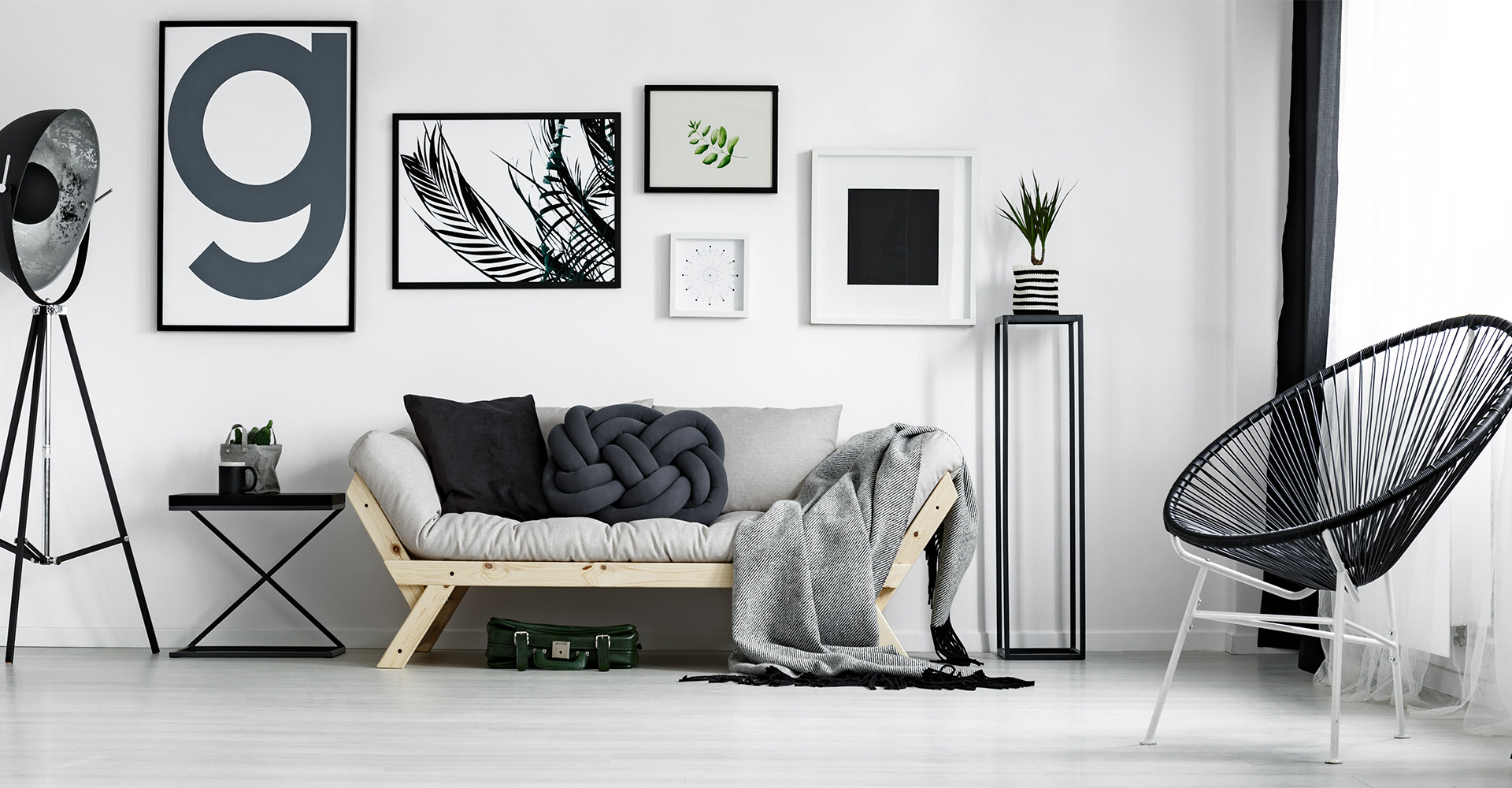
Interior design is an evolving field. Designers and homeowners seek new ways to create spaces that are both beautiful and functional. New features and trends are emerging to address the growing desire for sustainable, tech-savvy, and wellness-focused environments. As 2025 approaches, homes reflect lifestyles, values, and aspirations.
1. Sustainability and circular design
Sustainability is a fundamental principle of modern interior design. Driven by growing environmental awareness, designers are prioritizing eco-friendly materials and practices that minimize environmental impact and promote resource efficiency.
Materials: Expect increased use of recycled wood, bamboo, cork, recycled metals, and options like fungi-based furniture and hempcrete walls. Recycled and reclaimed materials reduce waste and add texture and warmth to spaces.
Circular Design: This goes beyond recycling and embraces designing products and spaces for longevity, adaptability, and eventual reuse or repurposing of materials. Choosing responsibly sourced materials with a low environmental impact is key.
Energy Efficiency: Integrating energy-efficient lighting, smart home systems, and harnessing natural light are becoming crucial elements in minimizing energy consumption and utility bills.
2. Smart home integration and tech-savvy interiors
The Internet of Things (IoT) is increasingly shaping how people interact with their homes. Smart technology is now seamlessly integrated into interior design, blending functionality with aesthetics.
Smart Systems: Voice-controlled lighting, automated window treatments, climate control, and home security systems enhance comfort, convenience, and energy efficiency. Smart home technology can also learn user habits to adjust settings automatically, providing predictive automation.
Discreet Integration: Designers are finding creative ways to conceal technology, such as embedding wireless charging pads into tables, integrating smart mirrors that display news and weather, or using disguised speakers that blend seamlessly into the decor.
AI for Personalization: Artificial Intelligence is revolutionizing design by analyzing user preferences and suggesting personalized design solutions, creating spaces that respond to individual needs and moods.
3. Wellness and biophilic design
A growing awareness of the positive impact of nature on well-being has led to the rise of biophilic design. This design seeks to connect occupants with nature within indoor spaces, fostering mental and physical health.
Bringing Nature In: Integrating natural elements like plants, natural light, and organic textures creates a calming and rejuvenating atmosphere. Indoor plants not only enhance air quality but also visually refresh spaces.
Natural Materials: Using materials like wood, stone, bamboo, and even innovative living ceilings with moss or trailing plants helps to blur the lines between indoors and outdoors.
Multi-Sensory Experiences: Biophilic design in 2025 emphasizes engaging all five senses by incorporating natural smells, textures, sounds (like water features or birdsong), and even light that mimics natural daylight.
4. Flexibility and adaptable spaces
Modern lifestyles require spaces that can serve multiple purposes, especially with the increase in remote work and smaller living areas. This leads to the importance of flexible and adaptable interior designs.
Modular Furniture: Pieces that can be easily rearranged and repurposed, such as sofa beds or extendable tables, offer greater functionality and maximize space.
Zoning Techniques: Using rugs, shelving, or even lighting to define different areas within an open-plan space creates distinct zones without physical barriers.
5. Enhanced aesthetics and textural exploration
Beyond functionality, modern interior design in 2025 continues to focus on aesthetics, with an emphasis on texture and personalized expressions.
Textural Play: Combining contrasting materials like rough with smooth, or matte with glossy, creates depth and visual interest. Textured walls with plaster, stucco, or limewash finishes are gaining popularity.
Artisanal and Handcrafted Pieces: Incorporating unique, handcrafted items like pottery, textiles, or metalwork adds character and a sense of individuality. These pieces often tell a story and promote sustainability by supporting local artisans.
Maximalism with a Personal Touch: While minimalism remains relevant, 2025 sees a playful return to maximalism with a focus on curated collections and personalized expression. Orientbell Tiles and Shardes Interiors describe how this approach balances bold patterns, vibrant colors, and rich textures in a way that feels intentional and reflective of the homeowner's personality.
By embracing these new features and trends, interior design is transforming into a field that prioritizes visual appeal, sustainability, functionality, wellness, and individual needs, creating spaces that truly enhance the quality of life.
CANTER CADD being ISO 9001:2015 certified, the best CAD training institute can make a candidate’s profile strong and eligible to grab the trending jobs in the market. Moreover, the courses are offered by highly skilled and trained professionals to offer valuable knowledge to the candidates.